Residential
4 Min Read
30 September 2026The Orange Line effect: Shaping the next growth corridor in New Town and Rajarhat
Share
Table of Contents+

Introduction
Infrastructure can transform a real estate corridor. When connectivity links employment hubs, residential communities and key city gateways, its impact can extend well beyond travel time.
The Orange Line is poised to play that role in Kolkata.
The New Garia–Airport corridor is emerging as an important part of the metropolitan transport network, with the potential to strengthen connections between South Kolkata, New Town, Rajarhat and the airport.
For real estate, this creates an important opportunity: a more connected eastern corridor with the potential to support the next phase of residential and commercial growth.
Connecting important growth centres
The Orange Line is planned to span approximately 30 km and 24 stations, connecting New Garia with the airport. Once operational, the Kavi Subhash–airport journey is expected to take approximately 56 minutes.
The importance of the corridor goes beyond its individual stations.
It will strengthen connectivity between established residential areas in the south and emerging employment and residential destinations in the east, while improving access to the airport.
This network effect can influence where people choose to live, where businesses locate and how developers plan new projects.
When connectivity improves across an entire corridor, the real estate opportunity expands with it.
New Town and Rajarhat are well positioned
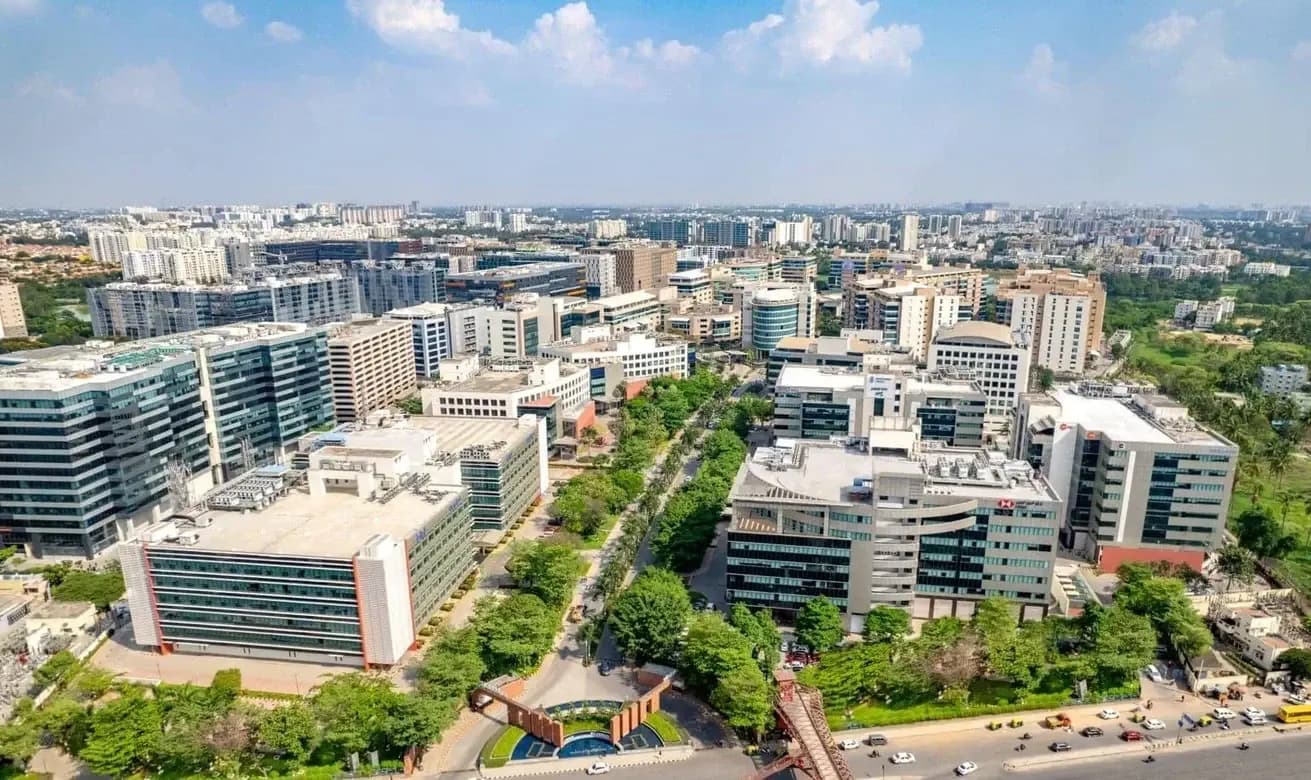
New Town and Rajarhat have already established themselves as important growth locations, supported by planned urban development and an expanding employment base.
The approximately 250-acre Bengal Silicon Valley campus in Action Area II adds another important employment anchor to the corridor.
As employment opportunities grow, the need for well-connected housing and supporting social infrastructure will also increase.
This creates a strong foundation for residential development across different segments.
The opportunity is particularly relevant for projects that can combine accessibility, quality housing, amenities and proximity to employment.
Connectivity can unlock wider residential catchments
One of the most important effects of the Orange Line could be the expansion of the practical residential catchment around New Town and Rajarhat.
Improved public transport can make it easier for residents from a wider geography to access employment hubs, allowing developers to consider a broader set of locations.
The proposed ₹900 crore, 7.4-km elevated corridor between Chingrighata and New Town can further strengthen road connectivity into the corridor.
Together, these projects can create a stronger mobility ecosystem.
For residential development, that can translate into greater choice for homebuyers and a broader opportunity for developers.
The corridor is becoming more integrated
The evolution of New Town and Rajarhat is not being driven by one infrastructure project.
Metro connectivity, road improvements, employment development and commercial activity are progressing alongside one another.
This is important because successful urban corridors are rarely created by transport infrastructure alone.
They emerge when mobility and economic activity reinforce each other.
As businesses expand, housing demand strengthens. As housing demand grows, retail, education, healthcare and other amenities follow. This creates a more complete urban ecosystem.
New Town and Rajarhat are increasingly moving in that direction.
The opportunity extends beyond residential development
Improved connectivity can also strengthen the commercial proposition of the eastern corridor.
A larger employee catchment can make locations more attractive to businesses, while easier access can support the growth of commercial and mixed-use developments.
For occupiers, better connectivity can improve access to talent.
For developers, it can support a wider mix of residential and commercial products.
For investors, it creates the potential for sustained demand across multiple real estate segments.
This makes the Orange Line more than a transport project. It can become an enabler of integrated urban growth.
Way forward: From connectivity to corridor development
The next phase of growth across New Town and Rajarhat will depend on how effectively infrastructure is integrated with development.
For developers, the opportunity is to create projects that respond to the evolving needs of residents and businesses while benefiting from improving accessibility.
For investors, the focus should be on locations where connectivity improvements are supported by employment and development activity.
For businesses, expanding transport links can strengthen the corridor’s workplace proposition by widening the accessible talent pool.
For homebuyers, better connectivity can provide greater flexibility in choosing a home without compromising access to key employment centres.
The Orange Line has the potential to reshape more than travel patterns. By bringing people, workplaces and residential communities closer together, it can help define the next growth chapter for New Town, Rajarhat and the wider eastern corridor.